The materials of the temple
The chapter provides many intricate details of Solomon’s temple.
Based on the descriptions given, let’s try to imagine what the temple looks like.
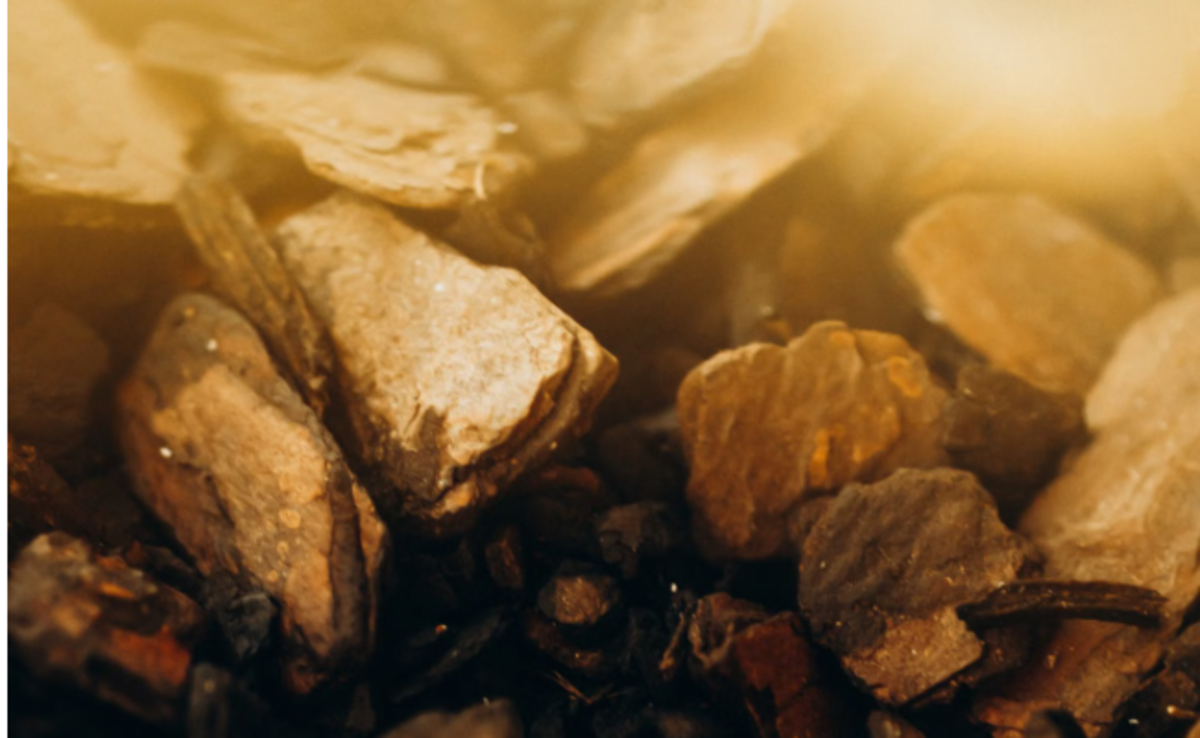
Picture the grand, golden, gleaming walls, shining with precious stones of various colors. (2 Chron 3:5-7)
See the carefully carved cherubim, and the fine linens of blue, purple, and crimson veils of cherubim. (2 Chron 3:14)
Admire the well woven wreaths of chainwork and the one hundred pomegranates that sit on them. (2 Chron 3:16)
From the descriptions we probably have a mental image of a very shiny, golden building.
But the temple was not just built with gold.
The temple was made up of various materials. Its core foundation was built with stone at the quarry. Over which were boards of cedar wood which overlaid the stone (1 Kings 6:7,9). And subsequently these cedar boards were overlaid with the gold we pictured earlier (2 Chron 3:7).
Solomon’s temple may no longer exist but today the church is the temple. This church is built not with bricks and mortar but it is built up by the various people who come together to worship in God’s holy house. And just like how the different materials of the temple had different purposes, each of us has our respective parts to play.
Yet, what if your part is to be the cedar that is overlaid by gold? Or the stone from the quarry, overlaid by both the cedar and the gold?
People remember those who play the role of the glimmering gold. But your work as the cedar board and stone goes unseen and unnoticed by people.
It is human nature that when our labour of love goes unappreciated and unnoticed, we feel discouraged and bitter. But the descriptions of Solomon’s temple remind us of what it means for each of us to have our part to play as we build up this spiritual temple.
What would happen if one day the stone from the quarry and the cedar boards decide that “I am too under-appreciated, I don’t want to be part of this temple anymore”?
If the temple’s foundations were built with gold, the temple would be a weak, fragile building. That is because gold is one of the most malleable metallic materials. Thus it is easily bent out of shape and cannot function well as the temple’s foundation since it cannot hold up the weight of the temple.
On the other hand, what would happen if the golden overlayer declares that “I am merely an adornment so I’m of no use to the temple since I’m not part of the core foundation!”?
The temple is meant to be dedicated to the Lord of Lords and thus should reflect God’s glory and splendor. But without the gold, the temple would lose its awe-inspiring appearance. It would look like nothing more than just another tall wooden infrastructure. Then perhaps when Gentiles come and see the temple, they might walk away thinking “Is the God of Israel only worthy of a temple of stone and wood?”
Likewise, in the church today, we are God’s vessels. And there are many different types of vessels made of gold, silver, wood and clay. The Master is wise and knows that different materials have different strengths and weaknesses. Thus, He doesn’t esteem the gold vessel as more useful than the wooden one for both bring their own distinct value to the table. What the Master truly esteems is whether or not the vessel is cleansed from dishonour because a tainted vessel, no matter the material, cannot be used. (2 Tim 2:20-21).
So as we work to build up the church, let us be vigilant against bitter comparisons in our service. It may be true that someone else is more skilled than us. However, the bible reminds us to maintain a humble heart and strive for the unity of the church (Phil 2:3). Instead let us remember that God has fashioned personalised paths of servitude for each of us, tailored to our strengths and weaknesses.
Reflection questions
What are some ways I can contribute to the growth of the church?
Have I ever felt jealous towards others who are serving in church?